
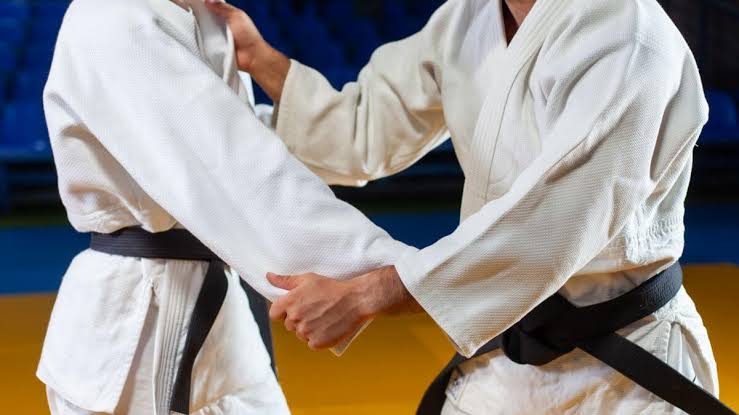
Starting a new martial art can be exciting, challenging, and rewarding. If you are wondering How to Start Judo, the best approach is to learn the fundamentals in a structured environment with a qualified instructor. Judo combines throws, grappling, balance, movement, discipline, and physical conditioning, making it suitable for people with different fitness levels and experience.
Understanding the Basics of Judo
Judo is a Japanese martial art and combat sport that focuses on using technique, timing, balance, and leverage rather than relying only on strength. Practitioners, known as judoka, learn how to control an opponent through throws and grappling techniques.
Unlike some martial arts that emphasize striking, traditional judo training generally concentrates on throwing an opponent safely and controlling them on the ground. Beginners gradually develop coordination, balance, flexibility, strength, and body awareness through regular practice.
Find a Suitable Judo Club
One of the first practical steps is finding a reputable judo club in your area. Look for a club that has experienced instructors, a clean training space, suitable mats, and a welcoming environment for beginners.
A good club should provide structured classes where new students can learn at an appropriate pace. Before joining, consider attending an introductory session or observing a class. This can help you understand the teaching style, training intensity, and atmosphere.
It is also useful to ask about class schedules, membership costs, required equipment, age groups, and beginner programs. Choosing a convenient training location can make it easier to maintain a consistent routine.
Learn Ukemi First
One of the most important skills for beginners is ukemi, or breakfalling. Before learning advanced throws, students need to understand how to fall safely.
Ukemi teaches practitioners how to reduce the impact of a fall by using proper body positioning and movement. Common forms include backward, sideways, and forward breakfalls. Although these movements may appear simple, they require repetition and careful instruction.
Learning to fall confidently can make training safer and help beginners become more comfortable during practice. Students should avoid rushing through this stage because proper falling technique is an essential foundation for judo.
Master Basic Judo Movements
After learning basic safety skills, beginners typically work on fundamental movements and techniques. These may include gripping, footwork, posture, balance, and controlled movement around the mat.
Judo techniques often depend on disrupting an opponent's balance before attempting a throw. This concept helps explain why technique and timing are so important. Beginners may practice movements repeatedly before performing them during controlled sparring.
Some commonly introduced throwing techniques include hip throws, shoulder throws, and various foot and leg techniques. The exact techniques taught first can vary depending on the instructor and training program.
Understand Judo Etiquette
Judo places considerable importance on respect and discipline. Students usually bow when entering or leaving the training area and show respect toward instructors and training partners.
Following dojo rules, listening carefully, keeping equipment clean, and treating partners responsibly are all important aspects of training. Beginners should understand that practicing with a partner requires cooperation. The objective during technical practice is to learn and improve rather than simply overpower another person.
Good etiquette also contributes to a positive training environment where students can develop their skills safely.
Choose the Right Judo Gear
Beginners normally need a judo uniform, known as a judogi. It consists of a strong jacket and matching trousers designed to withstand gripping and pulling during practice.
A properly fitted judogi should allow comfortable movement without being excessively loose. Students may also need a belt that represents their current rank. Training is usually performed barefoot on a suitable martial arts mat.
Before purchasing equipment, ask the instructor whether the club has specific requirements regarding uniform style, size, or brand. Keeping your equipment clean and in good condition is also an important part of responsible training.
Build Fitness Gradually
Judo can be physically demanding because training involves repeated movement, gripping, throwing, falling, and ground exercises. Beginners do not need to be in peak physical condition before joining a class.
Instead, fitness can develop alongside technical ability. Regular training may improve strength, cardiovascular endurance, flexibility, coordination, and balance. Simple exercises such as squats, lunges, push-ups, planks, and controlled mobility work can complement judo practice.
Recovery is equally important. Adequate sleep, hydration, nutritious food, and rest days can help the body adapt to training.
Practice Techniques Consistently
Progress in judo usually comes from repetition and consistency rather than trying to learn everything immediately. Beginners should focus on understanding the mechanics of each technique and gradually improving their execution.
During practice, pay attention to your instructor's corrections. Small adjustments in posture, foot placement, grip, or timing can make a significant difference. Recording progress through notes or remembering specific techniques to practice can also help reinforce learning.
Do not become discouraged if a technique feels difficult at first. Martial arts require patience, and skills often improve gradually through repeated practice.
Try Randori When Ready
Randori is a form of free practice in which judoka apply techniques against a resisting partner. It can be an important part of developing practical skills, timing, movement, and adaptability.
Beginners should enter randori gradually under the guidance of an instructor. The goal is not simply to win against a training partner. Instead, students should focus on applying techniques correctly, maintaining control, and learning from mistakes.
Training partners should communicate and respect each other's experience levels. Safe, controlled practice is more valuable than excessive intensity.
Set Realistic Goals
Having realistic goals can make your training more enjoyable. A beginner might initially aim to attend classes consistently, learn basic breakfalls, memorize fundamental techniques, or improve general fitness.
Over time, students may work toward grading examinations, competitions, or higher belt ranks. Everyone progresses differently, so comparing yourself constantly with experienced practitioners can be discouraging.
Focus on steady improvement. Even small developments in balance, movement, confidence, or technique represent meaningful progress.
Conclusion
Judo is a discipline that rewards patience, consistency, respect, and continuous learning. By finding a suitable club, learning safe falling techniques, practicing fundamentals, using appropriate equipment, and gradually developing fitness and technical ability, beginners can build a strong foundation. If you are ready to take your first step, How to Start Judo successfully begins with choosing a qualified instructor, attending classes consistently, and approaching every training session with an open mind.