
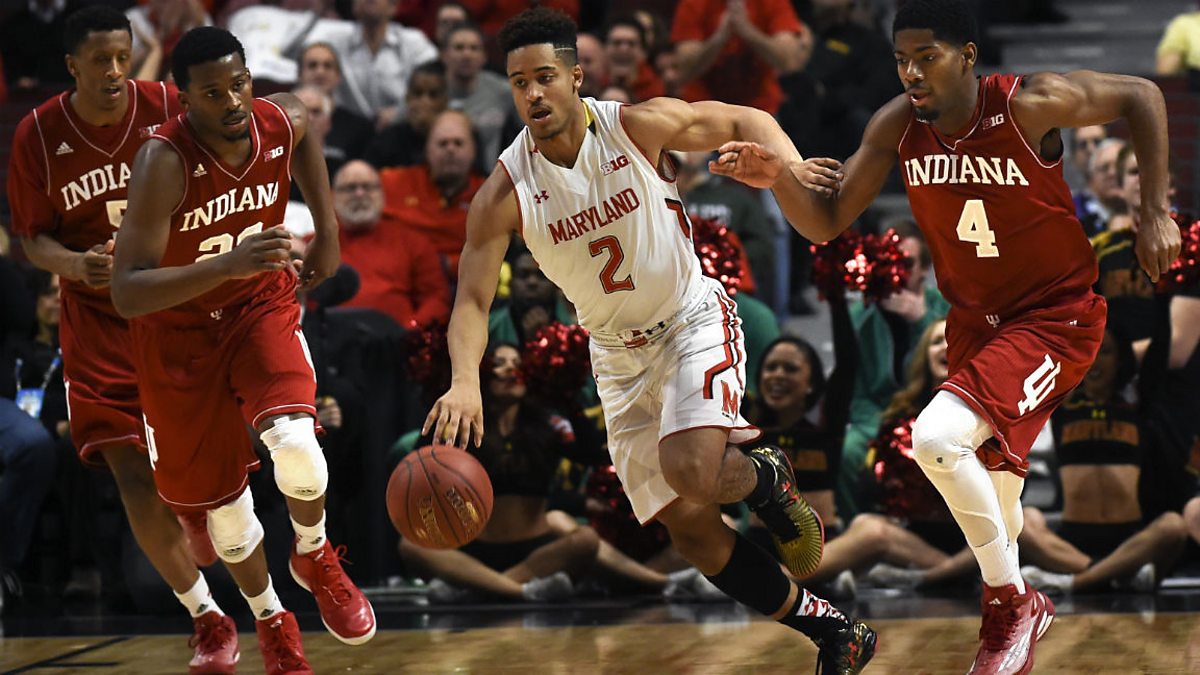
Basketball is a fast-paced team sport played at different levels, from school and recreational leagues to professional competitions. One of the most common questions for new fans is How Many Players Are in Basketball Team during a game and how many players can be included on a complete roster. The answer depends on the competition, but the basic structure is straightforward: two teams compete on the court, with five players from each team playing at one time.
Five Players on the Court
In standard basketball, each team has five players on the court during live play. These five players work together on offense and defense, with players often changing roles depending on the situation. Having five players allows a team to cover different areas of the court while creating passing opportunities, defensive coverage, and scoring chances.
Although only five players play at once, teams generally have additional players available on the bench. Coaches can substitute these players during appropriate stoppages in play. Substitutions help manage fatigue, respond to different matchups, and maintain the team's performance throughout a game.
Understanding the Basketball Roster
A basketball roster is larger than the number of players on the court. The exact roster limit can vary according to the league and competition. Professional leagues, college competitions, international organizations, and youth leagues may all have different roster rules.
For example, professional basketball teams commonly carry more players than can participate simultaneously. Some competitions also have rules concerning inactive players, reserve players, or players who are unavailable because of injury. Therefore, it is important to distinguish between the number of players on the court and the total number of players associated with a team.
The Five Traditional Positions
Basketball has five traditional positions that help explain how players may contribute during a game. These positions are point guard, shooting guard, small forward, power forward, and center.
Point Guard
The point guard is often responsible for organizing the offense. This player commonly brings the ball up the court, starts offensive plays, passes to teammates, and helps control the pace of the game. Point guards typically need strong ball-handling and passing skills.
Shooting Guard
The shooting guard frequently contributes through perimeter scoring and outside shooting. This position may also involve defending opposing guards and creating opportunities by moving without the ball. Many shooting guards are expected to contribute both offensively and defensively.
Small Forward
Small forwards often have versatile responsibilities. They may score from different areas of the court, defend multiple types of players, rebound, and assist teammates. Because of these varied responsibilities, the position is often associated with athleticism and adaptability.
Power Forward
Power forwards traditionally play closer to the basket than guards while also having the ability to shoot from farther away. Their responsibilities can include rebounding, defending, setting screens, and scoring near the basket.
Center
The center is traditionally the player who operates closest to the basket. Centers often focus on rebounding, interior defense, blocking shots, and scoring around the rim. Modern basketball, however, has made the position more flexible, with many centers also developing passing and outside-shooting skills.
Substitutions and Player Rotation
One important feature of basketball is the ability to substitute players during a game. Coaches use substitutions to give tired players a break, adjust tactics, or introduce players with particular skills. A team's bench can therefore play an important role even though those players are not on the court at the opening tip.
Player rotations also allow coaches to manage minutes over the course of a game. Some players may spend significant time on the court, while others may have more limited roles depending on the team's strategy and the circumstances of the game.
How Team Size Affects Strategy
The number of players available to a team can influence how a coach approaches a game. With several players available on the bench, a team can rotate players and maintain energy. Different combinations can also provide advantages in shooting, defense, rebounding, or ball handling.
Teams must also adapt when players leave the game because of fouls, injuries, or other circumstances. Coaches may need to change their lineup and assign different responsibilities to the remaining players.
Basketball Rules and Team Structure
Basketball rules are designed to keep competition organized and fair. Teams must follow rules concerning fouls, traveling, dribbling, time limits, substitutions, and possession. The number of players on the court is one of the fundamental elements that gives basketball its recognizable structure.
While five players from each team are normally on the court, the complete roster provides coaches with additional options. This combination of active players and substitutes creates opportunities for tactical changes throughout the game.
Conclusion
Understanding How Many Players Are in Basketball Team helps beginners understand the basic structure of the sport. Five players from each team participate on the court at one time, while additional players remain available as substitutes according to the rules of the particular competition. Each player can have a different role, from organizing the offense to defending the basket and securing rebounds. Together, the starting lineup and bench give basketball teams the flexibility needed to manage a complete game.