
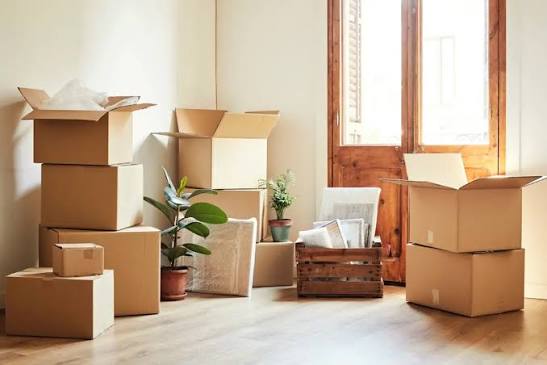
Moving into a new apartment can be exciting, but unpacking dozens of boxes can quickly become overwhelming. If you are wondering How Long Does It Take to Unpack an Apartment, the answer depends on the apartment size, number of belongings, organization, and available help. Some people can finish the essential unpacking within a day, while others may need several days or even weeks to completely organize everything.
Factors That Affect Unpacking Time
Several factors influence how quickly you can settle into your new apartment. The size of your home is one of the biggest considerations. A studio or one-bedroom apartment usually requires less time than a two- or three-bedroom space.
The number of boxes also matters. Someone moving with only a few essential belongings may finish quickly, while a household with furniture, kitchen equipment, clothing, books, decorations, and personal items may require significantly more time.
Your preparation before moving can also make a major difference. Clearly labeled boxes allow you to identify where everything belongs without opening multiple containers. Packing room by room and keeping essential items separate can make the entire process more manageable.
Unpacking the Bedroom
The bedroom should usually be one of the first areas you organize because having a comfortable place to sleep makes the first night much easier. Start by assembling the bed and arranging basic bedding, pillows, and blankets.
Next, unpack clothing and place frequently used items in drawers or closets. Avoid trying to organize your entire wardrobe immediately. Focus on creating enough space for your everyday clothing and leave seasonal or rarely used items for later.
A bedroom may take a few hours to make functional, although complete organization can take longer depending on the amount of clothing and storage available.
Organizing the Kitchen
The kitchen often takes more time because it contains many small items. Begin with essentials such as plates, glasses, cups, cooking utensils, pots, pans, and basic appliances.
After the essential items are available, organize cabinets and drawers according to how frequently you use different things. Everyday dishes should be easy to reach, while occasional serving pieces can go into less accessible storage.
Avoid attempting to create the perfect kitchen layout immediately. Living in the space for a few days will help you determine which arrangement works best for your routine.
Setting Up the Living Room
Once the bedroom and kitchen are functional, turn your attention to the living room. Begin by positioning large furniture such as sofas, tables, television stands, and shelving units.
After the furniture is arranged, unpack electronics, books, decorations, and other accessories. Leave decorative decisions until the main furniture is positioned because you may discover that certain items work better in different locations.
A basic living room can often be made functional relatively quickly, while detailed decorating may continue over several days.
Unpacking the Bathroom
Bathrooms are generally smaller and contain fewer boxes, making them one of the quickest rooms to organize. Start with essential toiletries, towels, toilet paper, cleaning products, and personal care items.
Use cabinets, shelves, and drawers to keep frequently used products accessible. Consider grouping similar items together so that daily routines remain simple.
Because the bathroom is usually needed immediately, prioritize functionality rather than decoration during the first stage of moving.
Managing Boxes and Packing Materials
Once the main rooms are functional, deal with empty boxes, wrapping paper, plastic materials, and other packing supplies. Breaking down cardboard boxes makes them easier to store or recycle.
Keep useful materials aside if you expect to need them again. Otherwise, dispose of them according to local recycling or waste-management guidelines.
Clearing packing materials from walkways and living areas also makes the apartment feel more organized and reduces unnecessary clutter.
Creating a Practical Unpacking Schedule
Instead of trying to unpack everything at once, divide the work into manageable sessions. Start with items needed for sleeping, eating, bathing, working, and everyday activities.
A simple schedule might involve completing essential bedroom items on the first day, organizing the kitchen and bathroom next, and handling the living room and decorative items afterward.
If you have help from family members or friends, assign different rooms to different people. Clear responsibilities can prevent everyone from opening random boxes without completing a specific area.
Avoiding Common Unpacking Mistakes
One common mistake is opening every box at once. This can create unnecessary clutter and make it difficult to find important belongings. Instead, complete one room or category before moving to another.
Another mistake is trying to organize everything perfectly immediately. Your apartment will become easier to arrange once you understand how you use the available space.
It is also important not to ignore rest. Moving is physically demanding, and taking regular breaks can help you maintain energy and concentration throughout the process.
Making the Process Easier
Good preparation can significantly reduce unpacking stress. Label boxes clearly with both their contents and destination room. Keep an essentials box containing toiletries, basic kitchen supplies, chargers, medications, documents, and a change of clothes.
You can also create a priority system. Items needed immediately should be unpacked first, while seasonal decorations, extra linens, books, and rarely used possessions can wait.
Remember that an apartment does not need to look perfect immediately after moving. The primary goal is to create a comfortable and functional living environment before focusing on smaller details.
Conclusion
Unpacking an apartment is a personal process, and the required time depends on the size of the home, number of belongings, preparation, and available assistance. By working room by room, prioritizing essential items, and avoiding unnecessary clutter, you can make the transition smoother and less stressful. Whether your goal is to finish quickly or gradually create an organized home, How Long Does It Take to Unpack an Apartment ultimately depends on your belongings, schedule, and preferred level of organization.