
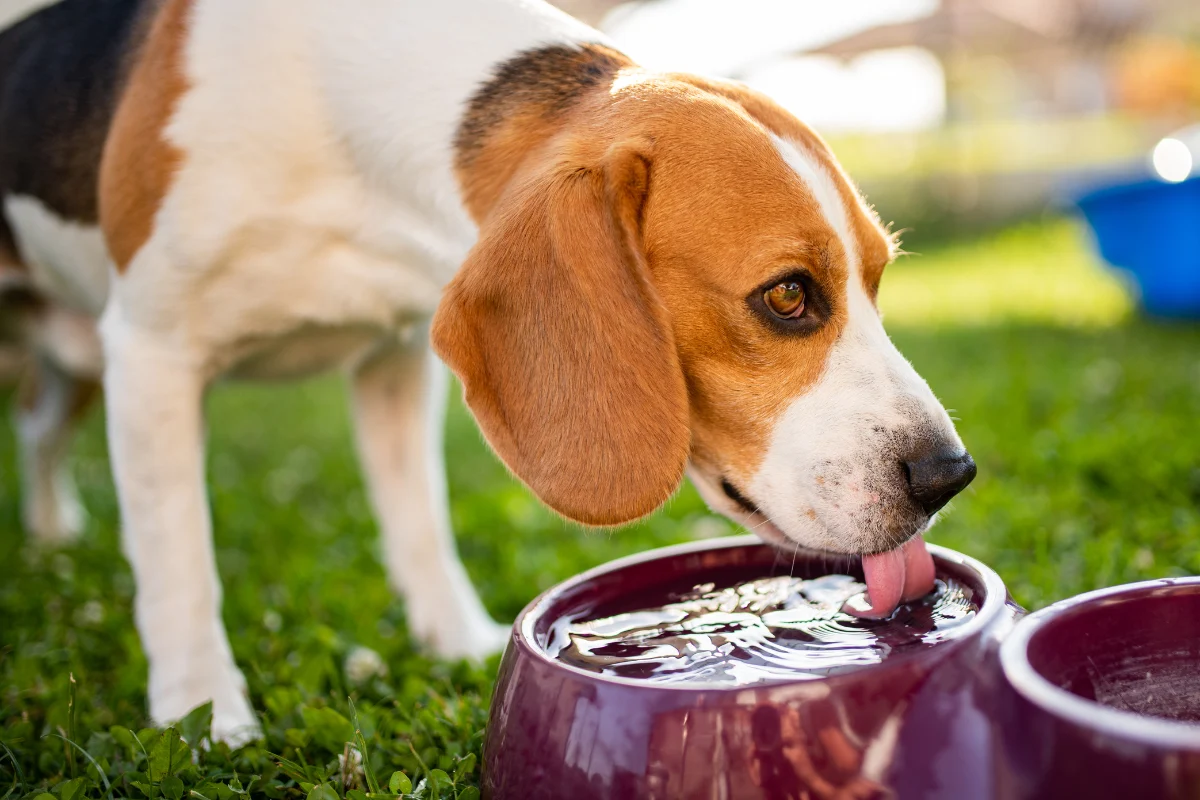
Understanding How Long Can a Dog Go Without Food and Water is important for every dog owner because food and water are essential for normal body function. While a healthy adult dog may survive several days without food under certain circumstances, going without water is much more dangerous. Dehydration can develop quickly and may become life-threatening, especially in hot weather, during illness, or in puppies and older dogs. Knowing the risks and warning signs can help owners respond quickly when a dog refuses to eat or drink.
Why Water Is More Urgent Than Food
Water is essential for circulation, digestion, temperature regulation, and the normal function of major organs. Dogs lose water through urination, breathing, panting, and bowel movements, so they need regular access to fresh drinking water.
A dog that stops drinking can become dehydrated much faster than one that stops eating. Warm temperatures, exercise, vomiting, diarrhea, fever, and excessive panting can increase fluid loss. Because dehydration can progress rapidly, a dog that refuses water should be monitored carefully and may require veterinary attention.
How Long Can Dogs Survive Without Food?
Healthy adult dogs can sometimes survive for several days without food, but that does not mean fasting is safe. The exact period varies depending on the dog's age, size, overall health, activity level, body condition, and underlying medical problems.
When a dog does not eat, the body begins using stored energy. Prolonged food deprivation can eventually cause weakness, muscle loss, nutritional deficiencies, and other complications. Dogs with medical conditions may become seriously ill much sooner than otherwise healthy animals.
Puppies have greater nutritional needs and smaller energy reserves, making prolonged fasting particularly concerning. Pregnant or nursing dogs, senior dogs, and dogs recovering from illness also require special attention if they stop eating.
Why Dehydration Can Become Dangerous
Dehydration occurs when the body loses more fluid than it takes in. Mild dehydration can cause thirst, dry or sticky gums, tiredness, and reduced activity. As dehydration becomes more severe, a dog may develop weakness, sunken-looking eyes, rapid breathing, reduced urination, or collapse.
Severe dehydration can interfere with blood circulation and organ function. In extreme cases, it can become fatal. Dogs that are vomiting or experiencing diarrhea may lose fluids particularly quickly, making the situation more urgent.
Warning Signs of Dehydration
Owners should watch for changes that may indicate insufficient fluid intake. Common warning signs include dry or sticky gums, excessive panting, unusual tiredness, weakness, decreased urination, and changes in normal behavior.
A dog that appears confused, extremely weak, unable to stand, or collapses needs urgent veterinary care. Blood in vomit or stool, repeated vomiting, severe diarrhea, difficulty breathing, or other serious symptoms should also be treated as emergencies.
Reasons a Dog May Stop Eating or Drinking
Loss of appetite can have many causes. Stress, changes in routine, travel, unfamiliar surroundings, dental discomfort, dietary changes, and mild digestive problems may temporarily affect eating habits.
However, refusing food or water can also indicate an underlying medical problem. Dental disease, infections, gastrointestinal disorders, pain, kidney problems, liver disease, and other conditions may reduce appetite or thirst. For this reason, persistent changes should not simply be assumed to be behavioral.
What Owners Can Do at Home
If a dog refuses food but is otherwise alert and drinking normally, owners can monitor the situation closely and offer its usual food in a calm environment. Avoid forcing food into the dog's mouth, as this can cause stress or create a choking risk.
Fresh, clean water should always be available. If the dog refuses to drink, repeatedly vomits after drinking, or shows signs of dehydration, contacting a veterinarian is important.
Owners should also avoid giving human medications or unfamiliar home remedies unless specifically recommended by a veterinary professional. Some substances that are harmless to people can be dangerous for dogs.
When to Contact a Veterinarian
The appropriate response depends on the dog's individual circumstances. A dog that misses a meal but remains energetic, comfortable, and hydrated may not require emergency care. However, persistent refusal to eat, refusal to drink, or the development of other symptoms warrants professional advice.
Veterinary attention is especially important for puppies, senior dogs, pregnant or nursing dogs, and animals with known medical conditions. Early evaluation can help identify the underlying cause and prevent a manageable problem from becoming more serious.
Preventing Food and Water Problems
Prevention starts with providing balanced nutrition and continuous access to clean water. Keep water bowls clean and place them somewhere the dog can easily reach. During hot weather or periods of increased activity, pay closer attention to water consumption.
Regular veterinary checkups can also help identify dental, digestive, or other health problems that may affect appetite. Maintaining a consistent feeding routine makes it easier to notice unusual changes in eating habits.
Conclusion
Knowing How Long Can a Dog Go Without Food and Water helps owners recognize why refusing both food and water should never be ignored. Although dogs may tolerate a period without food, lack of water can become dangerous much sooner. Watch for dehydration, weakness, vomiting, diarrhea, and behavioral changes, and seek veterinary guidance when symptoms persist or appear severe. Prompt attention is one of the best ways to protect a dog's health and well-being.